


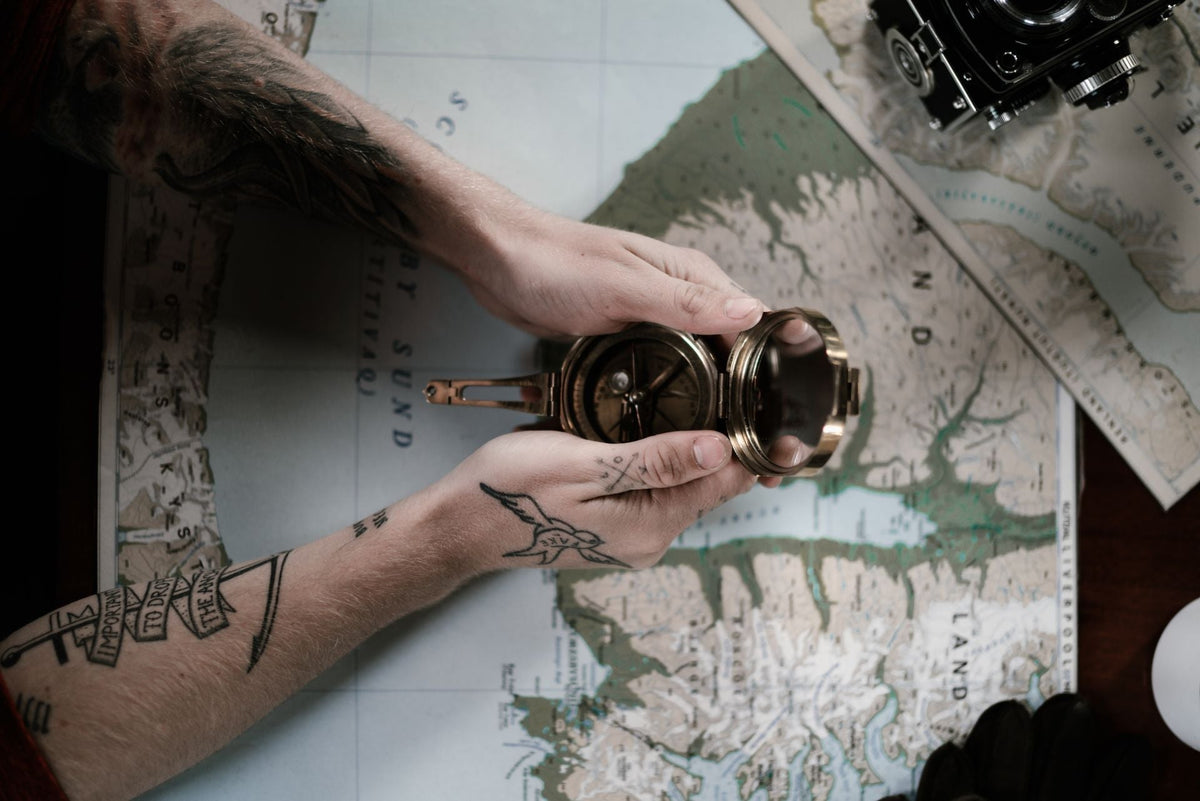
When we think of modern travel, a blue dot on a smartphone screen immediately comes to mind, along with a loud: “In twenty meters, turn right”. Digital navigation is reliable, convenient and... devoid of all magic.
There are, however, objects that remind us of times when travel was a true adventure, requiring courage, knowledge, and trust in physics and astronomy. The compass and the sextant – two revolutionary instruments without which the map of the world would look completely different today. Why do these classic instruments still evoke such strong emotions and make one of the most elegant gifts? We invite you on a journey through the centuries.
The compass – the needle that changed the direction of humanity
Before the compass was invented, sailors rarely ventured into open waters. They kept to the coastline, and a storm or dense fog meant mortal danger. The discovery of the Earth's magnetic properties turned the world upside down.
From Chinese divination to sea voyages
The first prototypes of the compass were created over 2,000 years ago in China. Interestingly, at first... they were not used for navigation at all! The Chinese used magnetic spoons made of lodestone for geomancy (Feng Shui) practices and fortune-telling.
Only around the 11th century was it noticed that a magnetized needle floating in a vessel of water always points in the same direction. When this technology reached Europe in the Middle Ages, the Age of Discovery was born. It was thanks to the compass that Columbus reached America, and Magellan circumnavigated the Earth.
The sextant – how to catch a star in your hand?
While the compass answered the question: “Which way are we sailing?”, it could not answer the equally important one: “Where exactly are we?”. For that, an instrument was needed that could connect the sky with the Earth. That is how the sextant was created.
Stars instead of satellites
Introduced in the 18th century, the sextant used precise mirrors and a scale comprising one sixth of a circle (hence the name: sextans – Latin for “sixth part”). This instrument measured the angle between a celestial body (the Sun, Moon, or a star) and the horizon.
With a few quick calculations and astronomical tables, a ship's captain could determine latitude to within a few nautical miles – in the middle of the ocean, without any points of reference! The sextant was so valuable that during maritime disasters captains saved it right after the ship's log.
Why do we still love brass navigation instruments today?
In the age of widespread digitalization, it might seem that sextants and analog compasses would be consigned to the past. Yet something quite the opposite is happening – their value is increasing, though its nature is changing.
A timeless symbol and metaphor: The compass is an excellent symbol of showing the right way, courage in pursuing a goal, and undiscovered possibilities. The sextant, in turn, symbolizes precision, wisdom, and reaching for the stars.
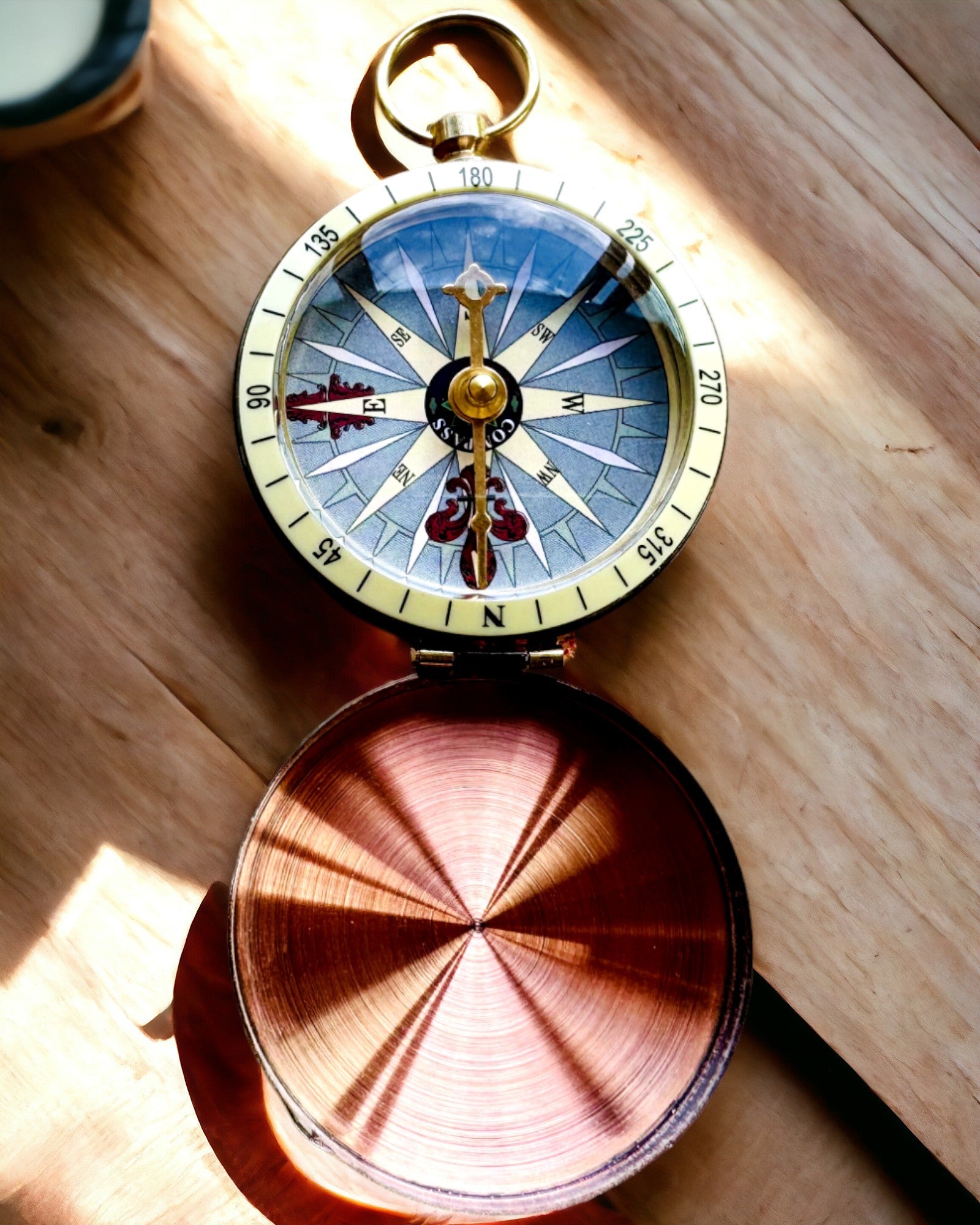
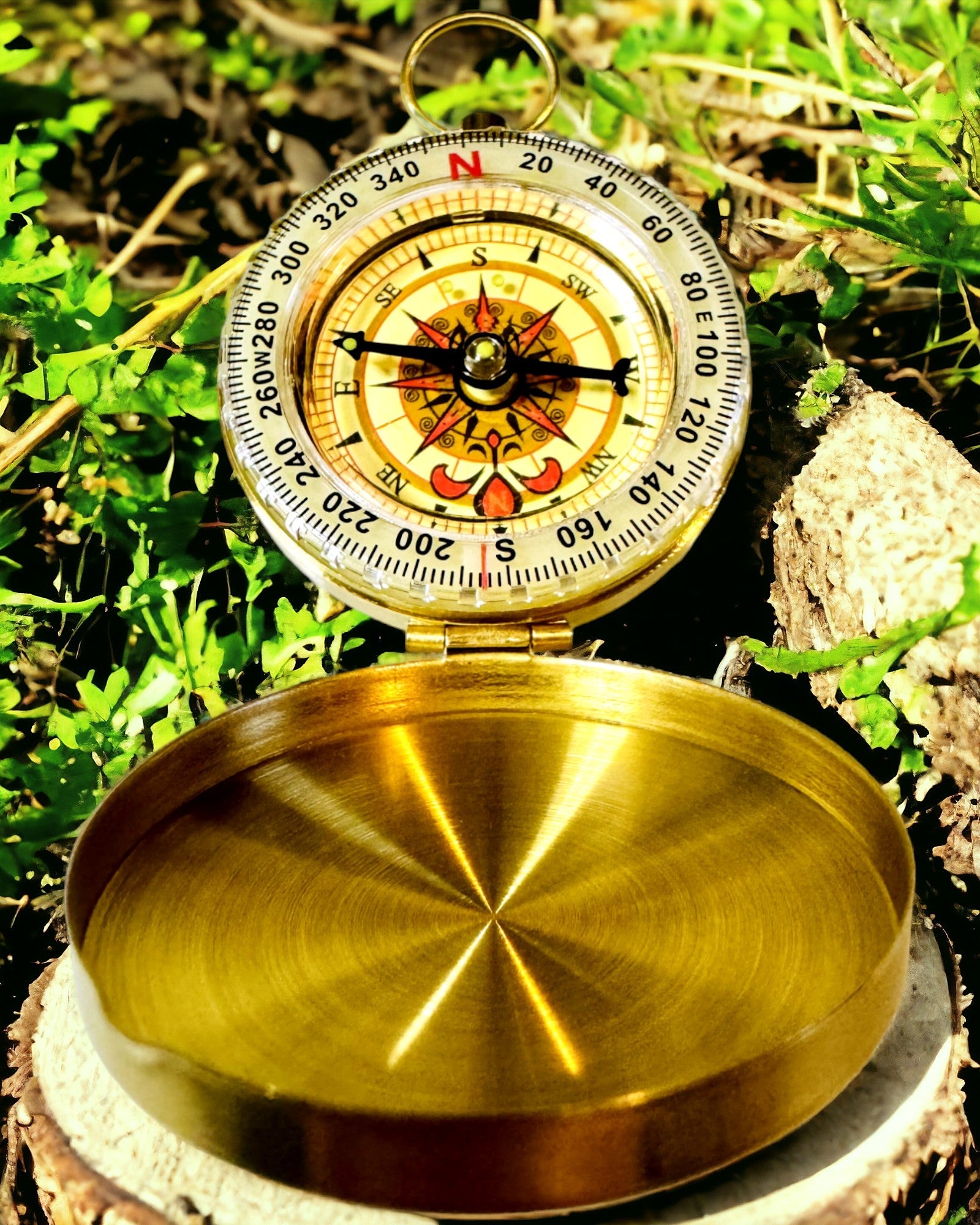
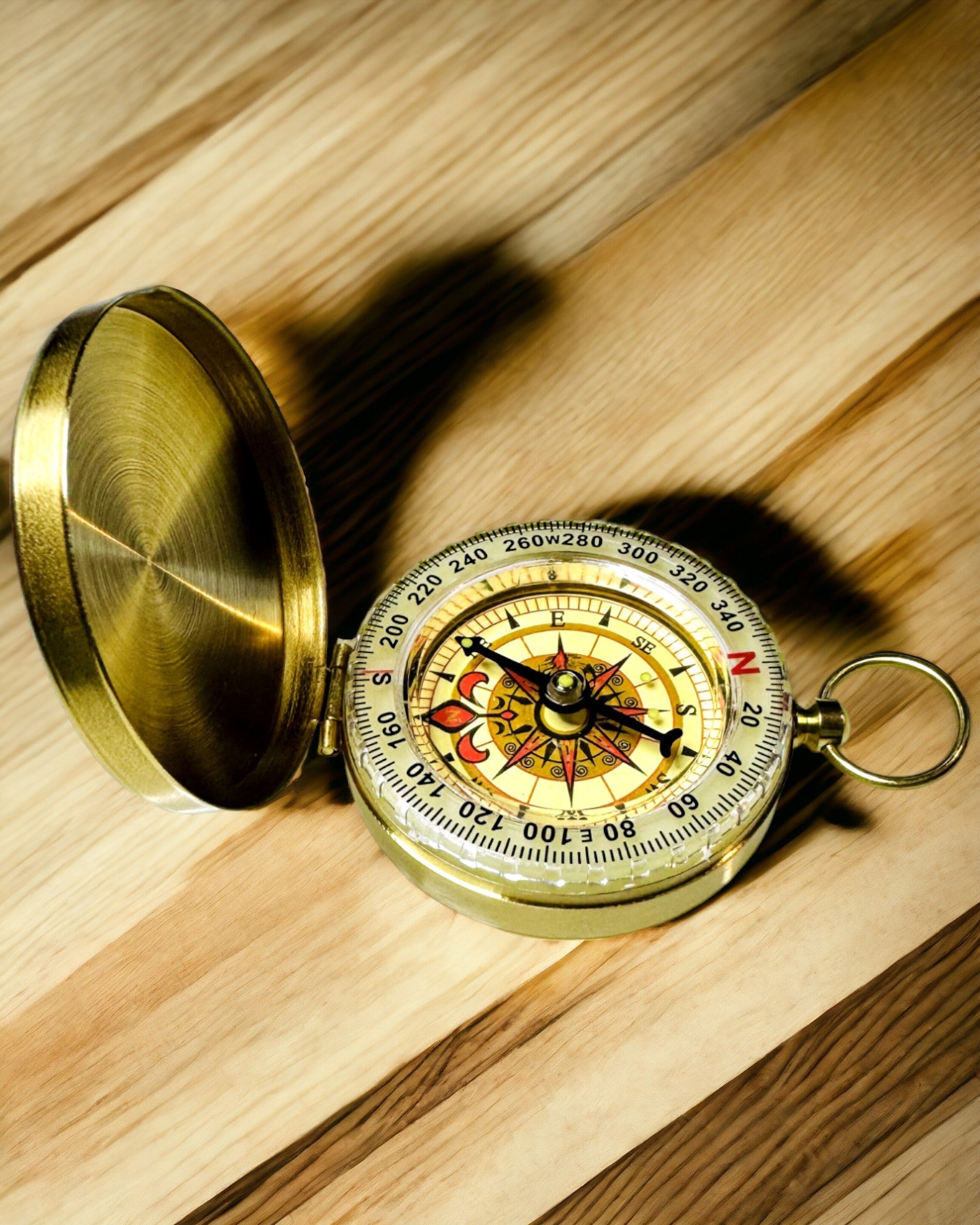
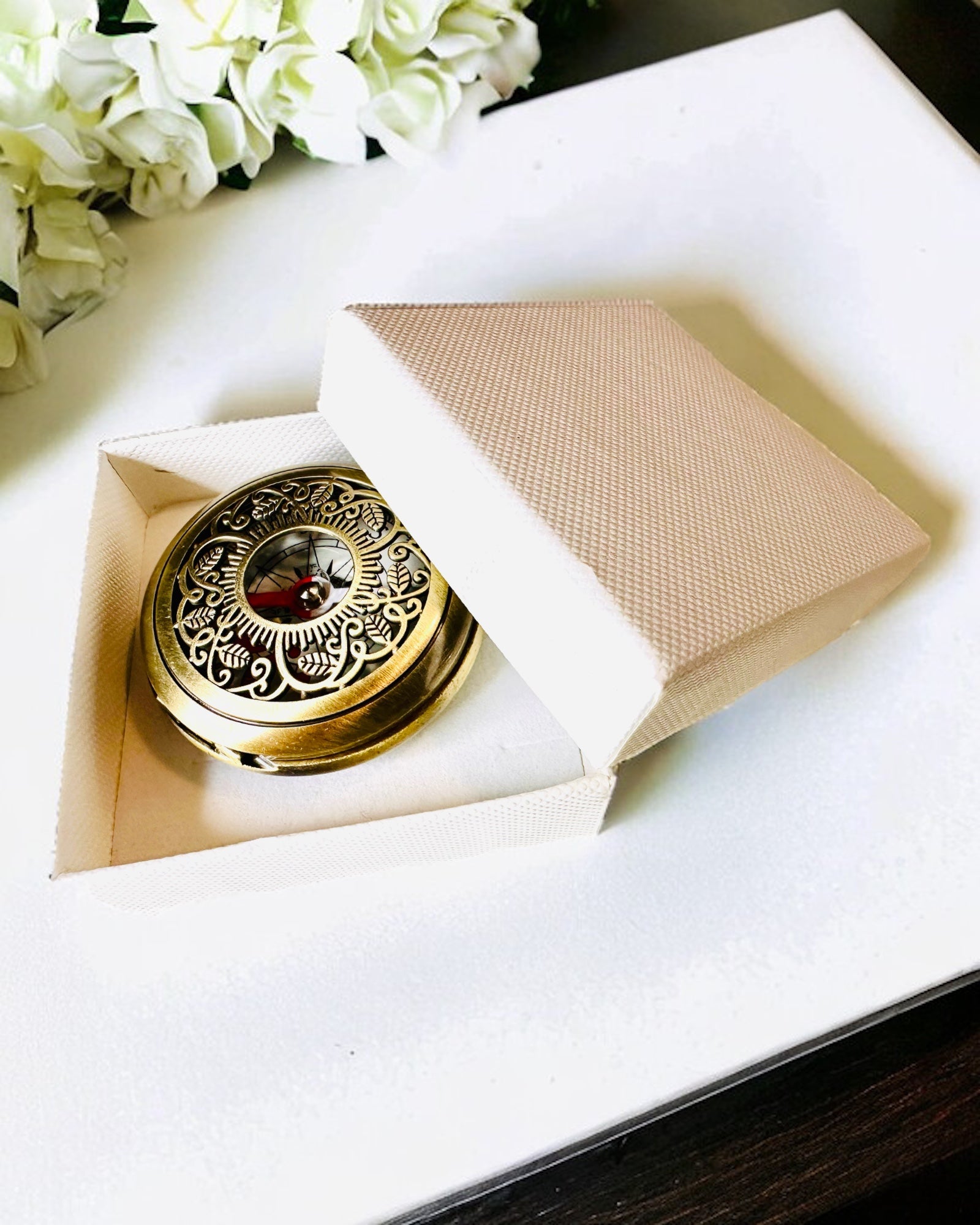
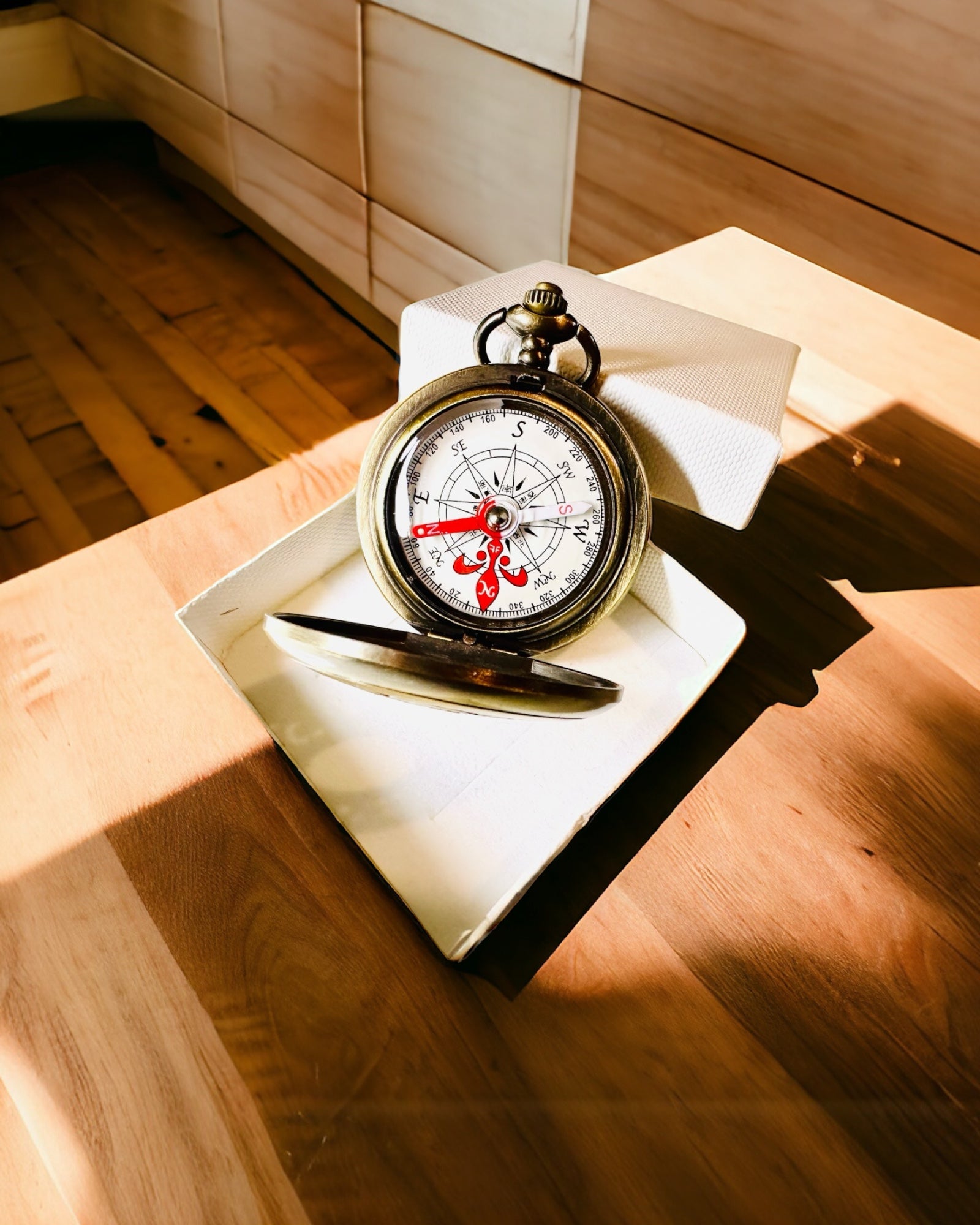
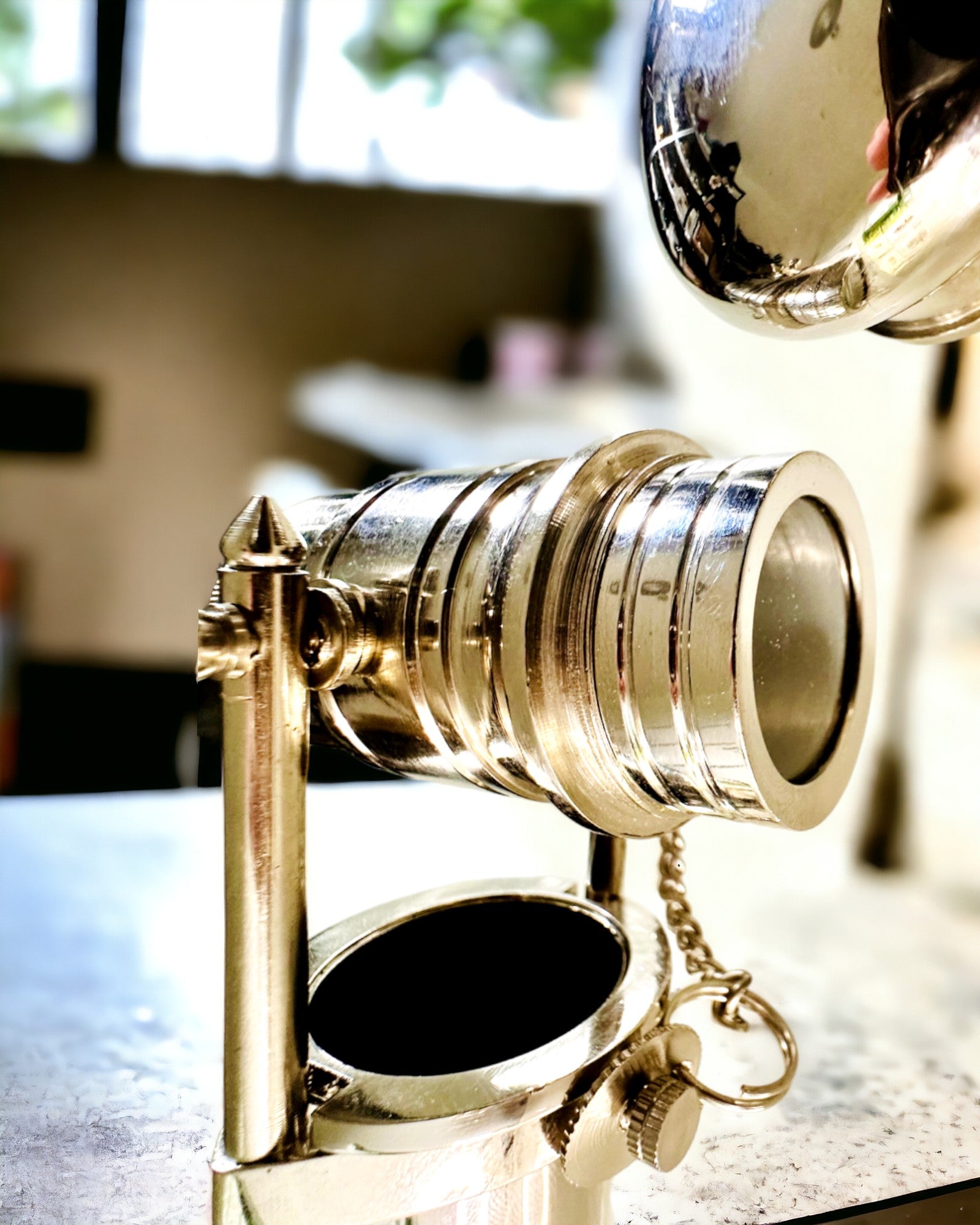
A unique interior design element: A brass compass enclosed in noble wood or an artfully crafted vintage-style sextant gives a study, living room, or office an unusual, prestigious character. These are decorations with soul, drawing the eye and inspiring fascinating conversations.
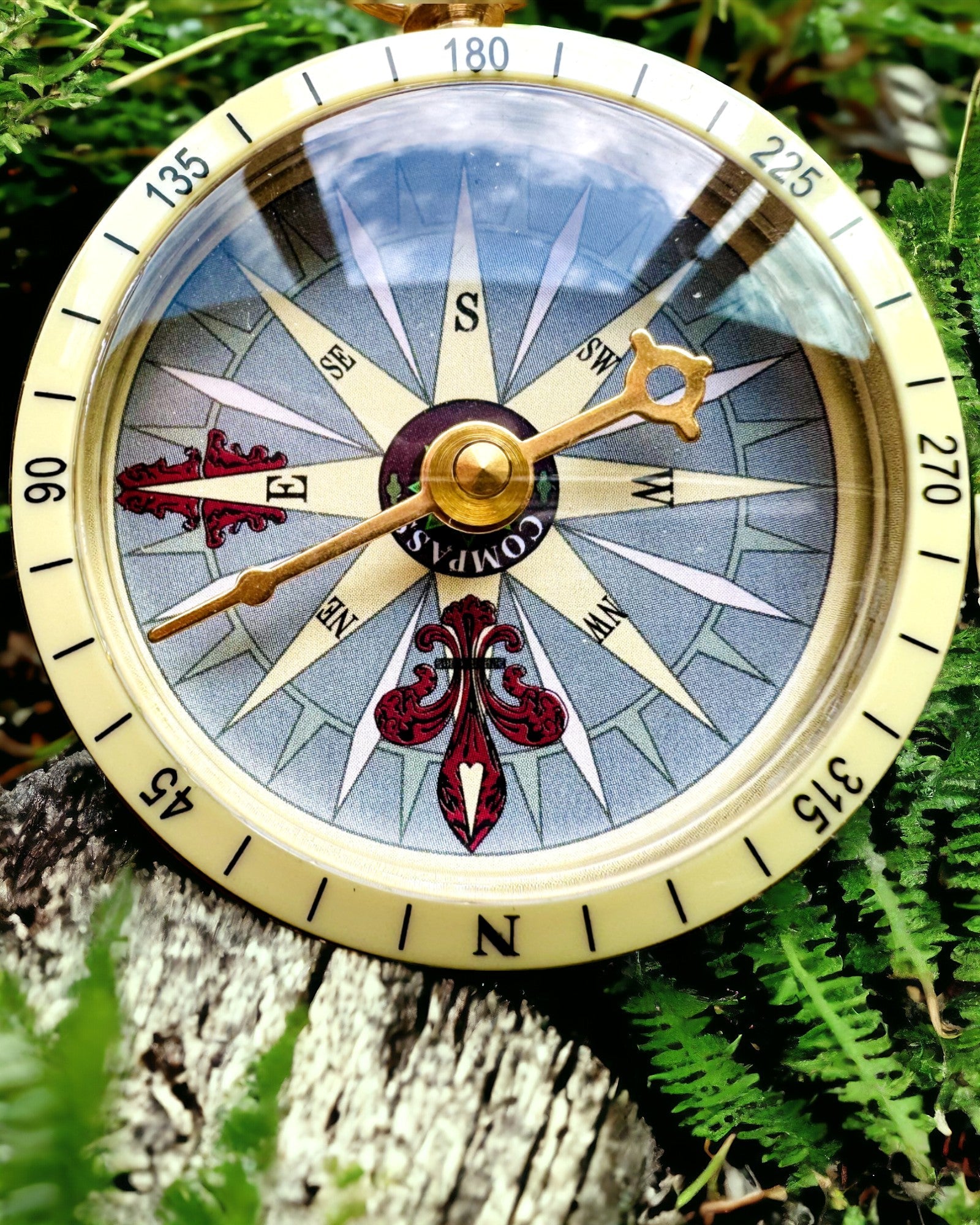
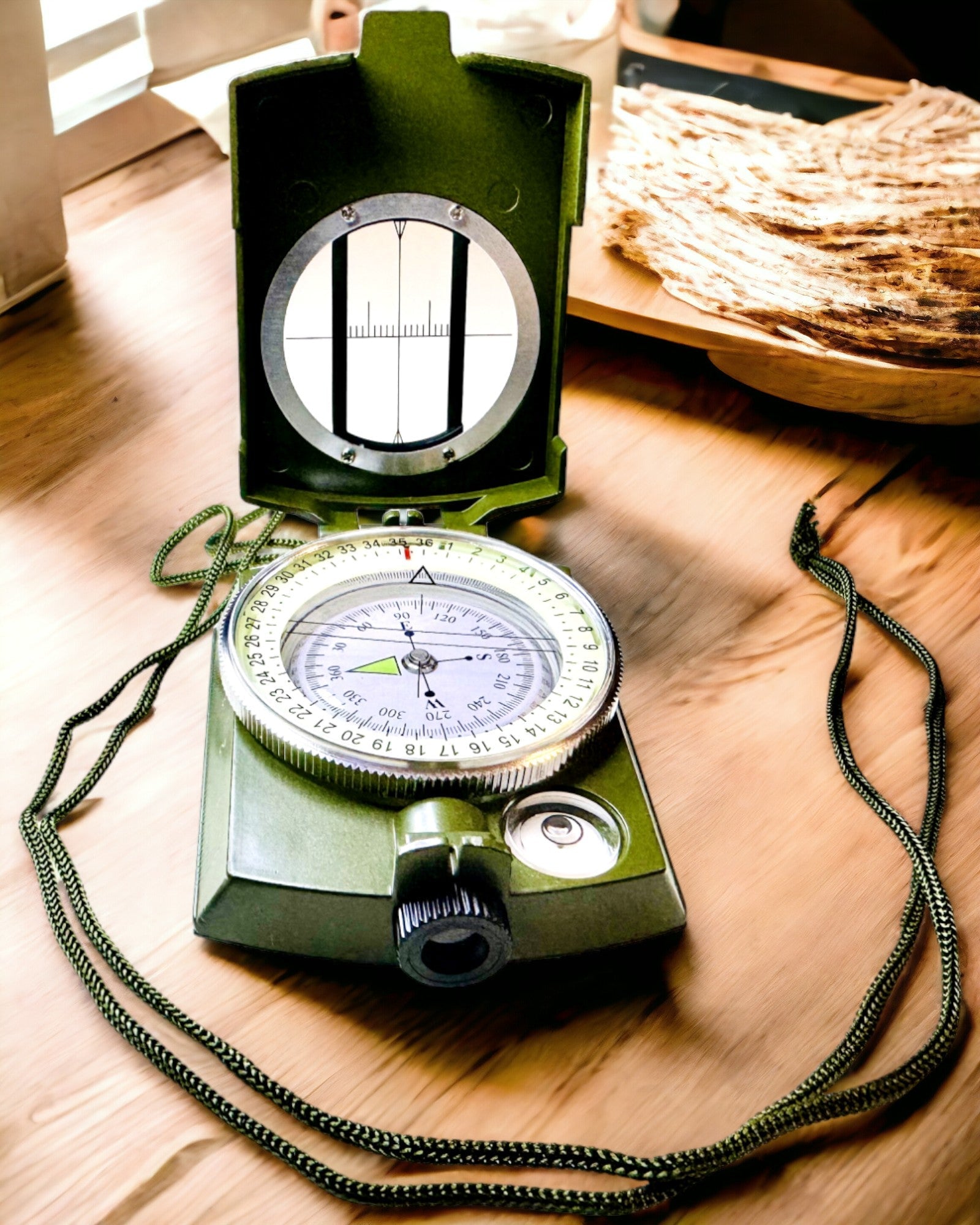
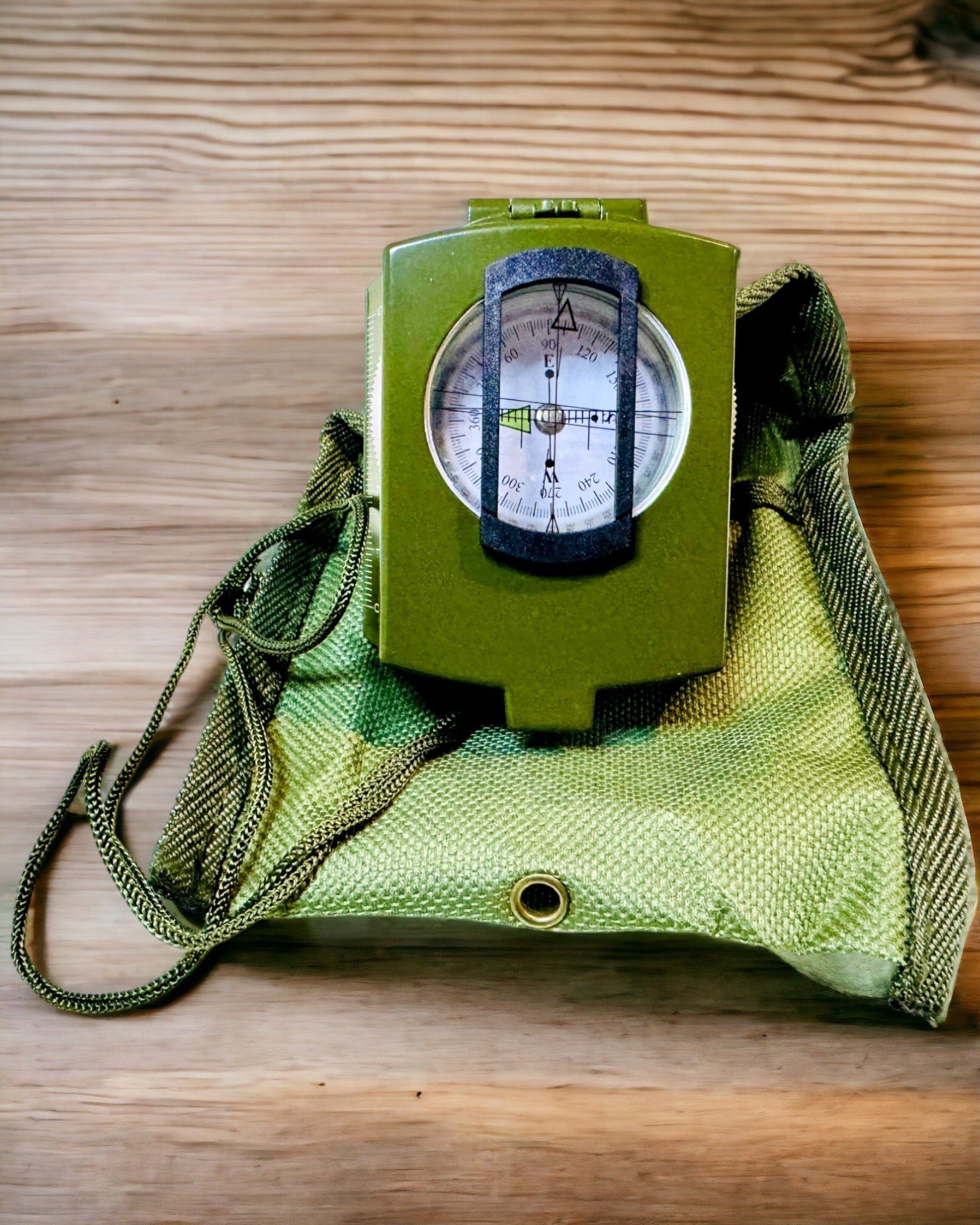
Reliability without batteries: For enthusiasts of trekking, bushcraft, and survival, a classic baseplate or pocket compass is still an essential piece of equipment. A phone battery may die, GPS coverage may disappear – the Earth's magnetic field always works.
A gift with a message – choose classics at MICHAELSERGE
Are you looking for a gift that will not be thrown into a corner after a few days? Ancient navigation instruments from the MICHAELSERGE range are a gift idea that carries deep symbolism:
For important anniversaries and retirement: It expresses gratitude for setting the right course.
For graduates and those starting out in business: A wish of success in discovering new lands and reaching their destination.
For enthusiasts of history, travel, and beautiful objects: A unique piece for a collection, often enhanced with a personalized engraving.
Discover our collection of stylish brass compasses, collectible sextants, and stylized boxes. Choose an object that will remind you or your loved ones that the best adventures are still ahead of us!


A journey that lasts forever. Portugal and unforgettable travel souvenirs.
What to engrave on a gift? 50 ideas for a unique engraving for a loved one